

Renting a Warehouse Hall or Storage Unit: A Step-by-Step Guide
Extra space is a need that rarely arrives on schedule. A delivery lands earlier than planned, a renovation starts, or a small business simply outgrows its back room. Instead of moving to bigger premises, more companies and households turn to storage unit facilities, which offer secure space on flexible terms. This guide walks you through the whole process, from estimating how much room you need to packing the unit on day one.
Step 1: Make a list of what you will store
Start with an honest inventory. Note the number of boxes, the largest pieces of furniture or equipment, and whether anything arrives on pallets. Then think about how often you will need to get in: once a season, once a week, or every day. Frequent visits call for a unit close to the entrance or a ground-floor space, while long-term archives can sit further back. If you are looking for storage space for rent in eastern Poland, compare your list with the sizes available at a storage facility for rent Lublin – it is the quickest way to see which option actually fits.
Step 2: Match the space to the scale
Storage to rent comes in very different formats, and choosing the wrong one means paying for empty air or squeezing goods into a corner. As a rough guide:
- Small units of a few square metres: documents, seasonal items, boxes from a spare room
- Mid-size units: the contents of a flat, tools, or stock for an online shop
- Warehouse halls: pallets, regular deliveries, racking, and daily operations
For a hall, look beyond the floor area. Clear ceiling height decides how high you can stack, a loading bay or ramp speeds up deliveries, and a yard for vans and trucks saves time every day. An office or social room is a real advantage if staff will work on site.
Step 3: Inspect the site in person
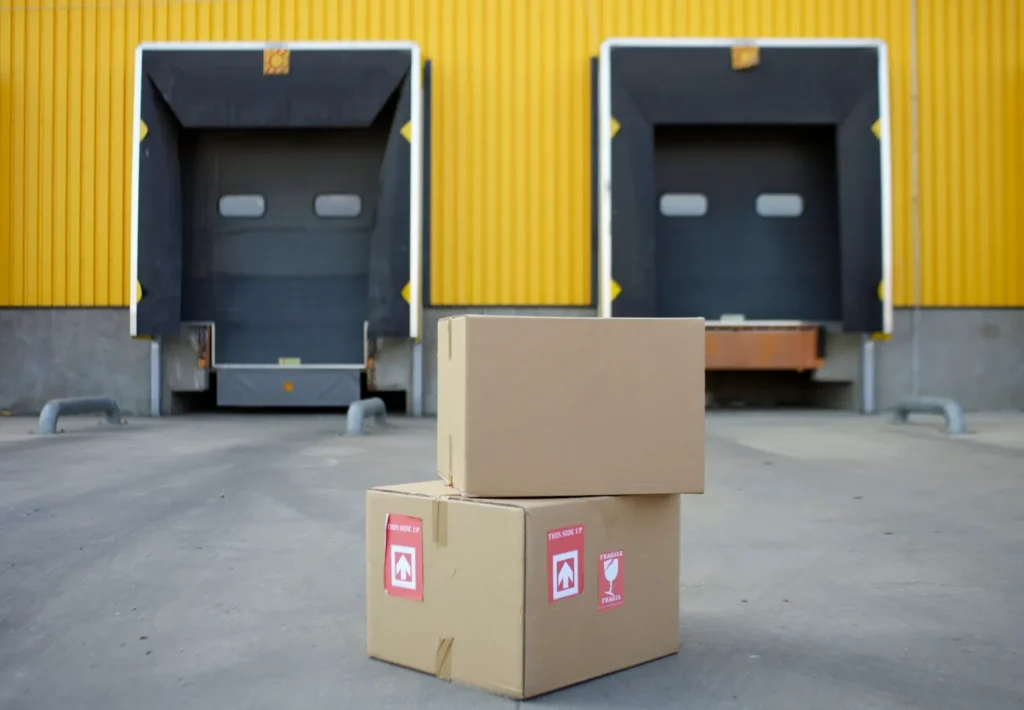
Before you rent storage facility space, visit it. Check that the unit is dry, clean, and well lit, and that the building has CCTV, controlled entry, and fire protection. Ask about access hours – 24/7 entry matters if you work early, late, or at weekends. Finally, test the route: a site close to your home, customers, or main roads saves hours over the length of the contract. It also helps to talk to the staff on site: how quickly they answer questions is a good sign of how they will handle any problem later.
Step 4: Understand the storage space rent price
The storage space rent price depends mainly on unit size, location, contract length, and the level of security. Ask about the deposit, insurance, and any fees for extra keys or early termination. When you compare affordable storage facilities, look at the total cost rather than the monthly rate alone. A cheap unit far from your base can cost more once fuel and travel time are added, and a damp one can ruin what it is meant to protect.
Step 5: Choose a flexible contract
Not every need lasts for years. Temporary storage is ideal during a move, a renovation, or a gap between two leases, and a 1 month storage unit is often all it takes. Before you sign, check whether storage for a month can be extended without a new agreement and how long the notice period is. A good storage unit rental lets you resize or end the contract as your plans change, so you never pay for space you no longer use.
Step 6: Pack and organise for easy access
A well-planned unit saves time on every visit. Label boxes on several sides, put heavy items at the bottom, and leave a narrow aisle so you can reach the back wall. Keep a simple inventory on your phone, and place the things you need most often near the door. Never store flammable liquids, food, or anything perishable.
A quick final check
Measure first, view at least two options, and get the terms in writing. When you rent storage space this way, the storage facility for rent you choose will work for you from the very first day.

Karen Altizer is a seasoned professional with a wealth of experience, skilled at crafting compelling narratives and strategic messages for diverse audiences.