Removals to Germany: A Complete Guide to a Safe and Stress-Free Move
Removals to Germany require more than booking a vehicle and packing a few boxes. A successful international move depends on accurate planning, secure packing, realistic timing and the correct transport capacity. You may also need to consider customs formalities, local registration rules and access conditions at both properties.
Whether you are relocating a student room, a family home, an office or a single piece of furniture, the process becomes much easier when every stage is organised in advance.
VANonsite provides professional removals to Germany from locations across Europe. Customers can choose anything from a compact man and van service to transport for a complete household or substantial commercial shipment. Available vehicle capacities range from 1 m³ and 100 kg to 90 m³ and 20,000 kg.
Door-to-door delivery, professional handling and GPS tracking give customers greater control over the move. Instead of coordinating several carriers, warehouses and transfer points, you can arrange one organised transport service from collection to delivery.
This guide explains how removals to Germany work, how much they may cost, which documents you may need and how to prepare your possessions for a secure journey.
TL:DR
- Book removals to Germany several weeks before your preferred collection date whenever possible.
- The final price depends on distance, shipment volume, weight, access conditions and additional services.
- Moves from another EU country usually involve fewer customs formalities than routes from outside the EU.
- New residents generally need to register their German address within two weeks of moving into a property.
- A detailed inventory helps you choose the correct vehicle and receive a more accurate quotation.
- VANonsite offers transport capacities from 1 m³ and 100 kg to 90 m³ and 20,000 kg.
- Door-to-door transport, careful packing and GPS tracking make international removals easier to manage.
How Do Removals to Germany Work?
Professional removals to Germany begin with a clear assessment of the shipment. Before choosing a vehicle, you need to know what is being transported, how much space it will require and whether any items need special handling.
A student moving with 15 boxes, a desk and a bicycle will need a different service from a family transporting furniture, appliances, wardrobes and garden equipment. Accurate information allows the removals company to recommend the right capacity and prepare a realistic quotation.
The standard process usually includes eight steps:
- Provide the collection and delivery addresses.
- Confirm the preferred moving date.
- Prepare a detailed inventory.
- Estimate the total volume and weight.
- Describe stairs, lifts, parking restrictions and carrying distances.
- Choose packing, dismantling or storage support if required.
- Prepare transport and customs documents.
- Track the shipment until it reaches Germany.
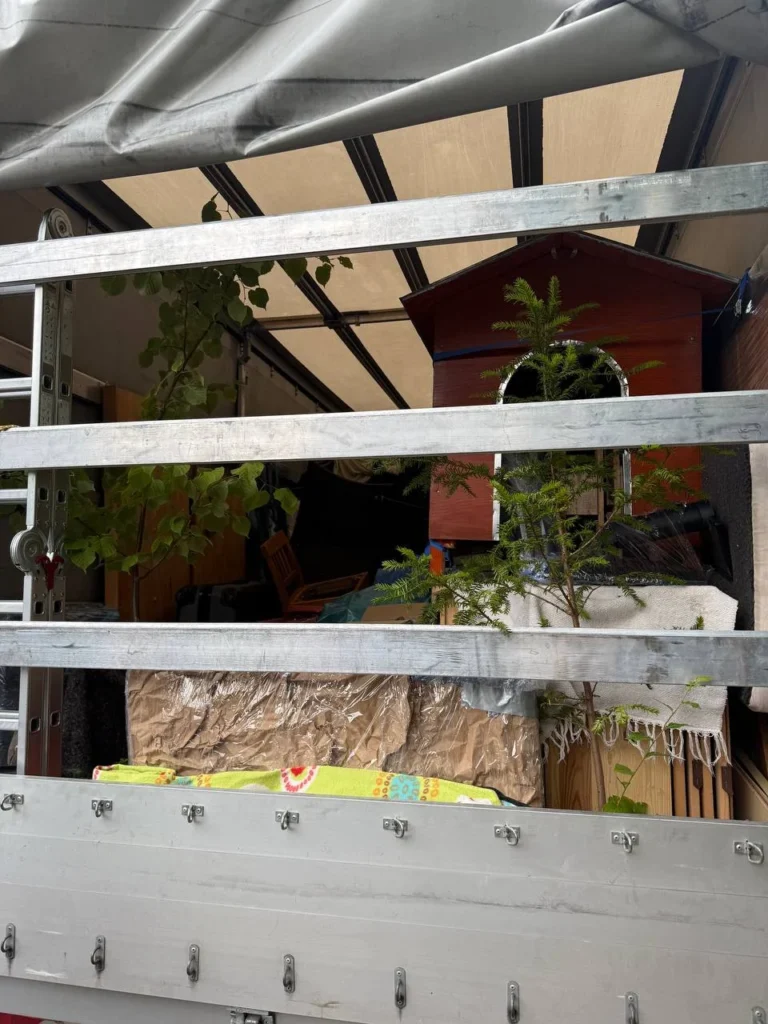
VANonsite organises door-to-door removals to Germany. Your possessions are collected from the agreed address and delivered directly to the destination. This reduces unnecessary handling and helps create a more predictable moving schedule.
GPS tracking adds another layer of reassurance. You can follow the progress of the shipment while it is in transit rather than waiting without information.
How Much Do Removals to Germany Cost?
There is no universal price for removals to Germany. The cost depends on the route, vehicle capacity, shipment weight, labour requirements and the level of support you choose.
A small man and van move from Amsterdam to Düsseldorf will cost less than transporting a four-bedroom household from Madrid to Hamburg. The same applies to difficult access, urgent collection dates and customs requirements.
| Cost factor | How it affects the price |
|---|---|
| Distance | Longer routes require more driving time, fuel and road charges |
| Cargo volume | Larger shipments need more vehicle space |
| Cargo weight | Heavy possessions may require a higher-payload vehicle |
| Collection access | Stairs, narrow streets and long carrying distances can increase labour |
| Delivery access | Restricted parking or difficult building access may require additional planning |
| Packing service | Materials and professional packing add to the service cost |
| Dismantling | Large furniture may need to be taken apart before loading |
| Customs formalities | Non-EU routes may require additional documents and clearance |
| Moving date | Urgent and last-minute bookings may have limited availability |
| Storage | Temporary storage increases the scope of the move |
For an accurate quotation, provide both postcodes, your preferred date, a complete inventory and clear photographs. Mention unusually heavy, delicate or valuable items, including safes, stone tables, antiques, pianos and commercial equipment.
Avoid describing the shipment only as “a small flat” or “a few things.” These phrases are too vague. Twenty boxes and a desk are very different from a furnished studio apartment.
A detailed request helps VANonsite select the correct vehicle and reduces the risk of unexpected changes on collection day.
Full-load or man and van removals to Germany?
A full-load service is generally suitable when you are moving most or all of your household possessions. A smaller man and van option can work well for:
- Student belongings
- Boxes and suitcases
- A sofa, bed or wardrobe
- Small studio contents
- Furniture purchased abroad
- Temporary work relocations
- Partial household removals
- Urgent collections
The smallest vehicle is not always the cheapest option in practice. If your belongings exceed its volume or weight limit, you may need another collection. Accurate capacity planning protects your budget and your possessions.
What Size Vehicle Do You Need?
Choosing the correct vehicle is one of the most important parts of removals to Germany. Both cubic capacity and maximum payload must be considered.
Furniture often occupies significant space without being very heavy. Books, tools, gym equipment and appliances create the opposite problem. They may fit into a small area but quickly increase the total weight.
VANonsite offers six moving options:
| Moving option | Capacity | Maximum weight | Suitable for |
|---|---|---|---|
| Moving One | 1 m³ | 100 kg | Boxes, luggage and compact personal shipments |
| Moving Basic | 5 m³ | 300 kg | Student removals and small studio moves |
| Moving Medium | 10 m³ | 500 kg | Furniture and partial household removals |
| Moving Premium | 15 m³ | 1,100 kg | Small homes and apartment moves |
| Moving Premium Plus | 30 m³ | 3,500 kg | Larger households and business relocations |
| Moving Full House XXL | 90 m³ | 20,000 kg | Complete homes, offices and major shipments |
Create a room-by-room list before requesting a quotation. Count large pieces separately and estimate the number of packed boxes.
A useful inventory might include:
- 25 medium boxes
- One three-seat sofa
- One double bed and mattress
- Two wardrobes
- One dining table
- Six chairs
- One washing machine
- Two bicycles
Photographs or a short video can make the assessment more precise. It is also sensible to leave a 10% to 15% volume buffer if packing has not been completed.
Documents Required for Removals to Germany
The documents needed for removals to Germany depend on your nationality, country of departure, reason for moving and the goods being transported.
Commonly required documents include:
- A valid passport or national identity card
- Collection and delivery addresses
- A signed transport order
- A detailed packing list
- Proof of residence
- A tenancy agreement or property document
- Employment or university documentation
- Customs forms for non-EU routes
- Proof of ownership for high-value possessions
- Vehicle documents when importing a car
Keep passports, medication, bank cards, important contracts and valuable jewellery with you. Do not place them inside the removal vehicle.
Registering your address in Germany
People moving into a German home generally need to register their new address with the responsible local authority within two weeks. This process is commonly known as Anmeldung.
Registration normally takes place at the local Citizens’ Office or Residents’ Registration Office. You will usually need identification and confirmation from the landlord or accommodation provider.
The registration certificate may later be required when opening a bank account, dealing with insurance providers or completing other administrative tasks.
Appointments may be limited in large cities, so check the local booking system soon after your tenancy begins.
EU, EEA and Swiss citizens
EU citizens benefit from freedom of movement and can relocate to Germany to work, study, seek employment or retire. However, local address registration requirements can still apply.
Immigration residence rules and local address registration are not the same process. Even if you do not require a visa, you may still need to complete Anmeldung after moving into a German property.
Non-EU citizens
Non-EU citizens may need a visa or residence permit. The correct route depends on nationality and whether the move is connected with employment, education, research, business or family reunification.
Applications can require proof of income, qualifications, accommodation, employment and health insurance. Requirements vary, so confirm the rules before booking long-term removals to Germany.
A removals company can support transport documentation, but it cannot replace official immigration advice.
Customs Rules for Removals to Germany
Customs procedures depend mainly on whether your shipment starts inside or outside the European Union.
Moving from another EU country
Removals to Germany from Poland, France, Spain, Italy, the Netherlands or another EU country usually involve fewer customs formalities.
Ordinary used household goods can generally move within the EU without a standard import declaration. However, restrictions may still apply to controlled goods, weapons, hazardous materials, alcohol, tobacco and selected medicines.
Even when customs clearance is not expected, prepare an inventory. It helps the removals team verify the shipment during collection and delivery.
Moving from outside the EU
Removals to Germany from the UK, Switzerland, Norway or another non-EU country may require customs clearance.
Personal possessions imported as part of a genuine transfer of residence can sometimes qualify for relief from import duties when the relevant conditions are met.
You may need to provide:
- A complete inventory
- Proof of your former residence
- Proof of your new German residence
- A passport or identity document
- A tenancy or employment agreement
- Evidence that the goods are used personal possessions
- Vehicle registration documents
- A customs declaration
- Authorisation for the carrier or customs representative
Missing or inconsistent documents can cause delays, so provide accurate information before collection.
Restricted and prohibited goods
Do not assume that every household item can be transported.
Restricted, prohibited or unsuitable goods may include:
- Firearms and ammunition
- Explosives and fireworks
- Narcotics
- Controlled medicines
- Hazardous chemicals
- Fuel and gas cylinders
- Counterfeit goods
- Protected plants and animals
- Certain food products
- Large quantities of alcohol or tobacco
- Undeclared cash above applicable limits
Never hide a restricted product inside a labelled box. Ask the transport company before packing anything uncertain.
How to Pack for Removals to Germany
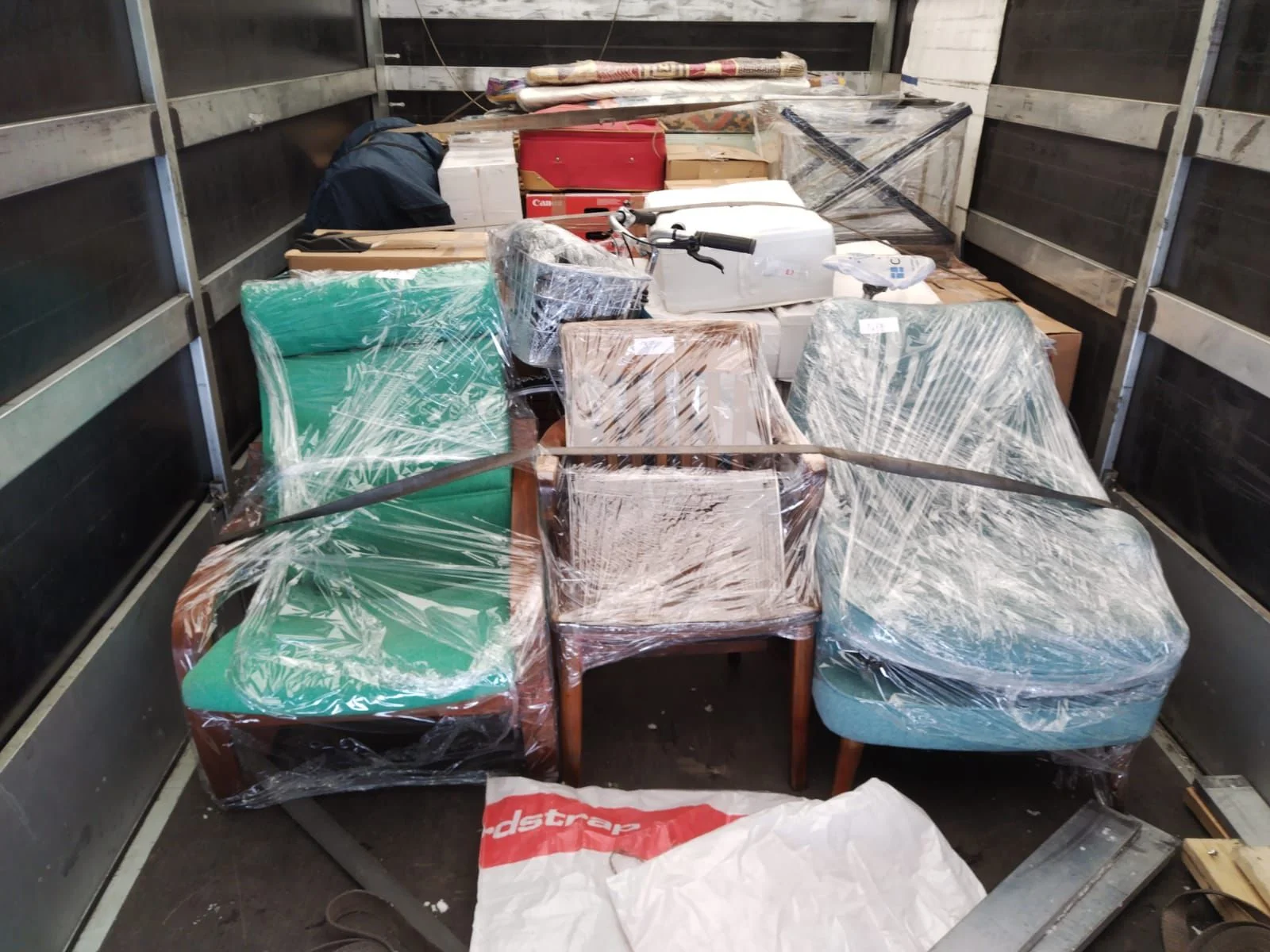
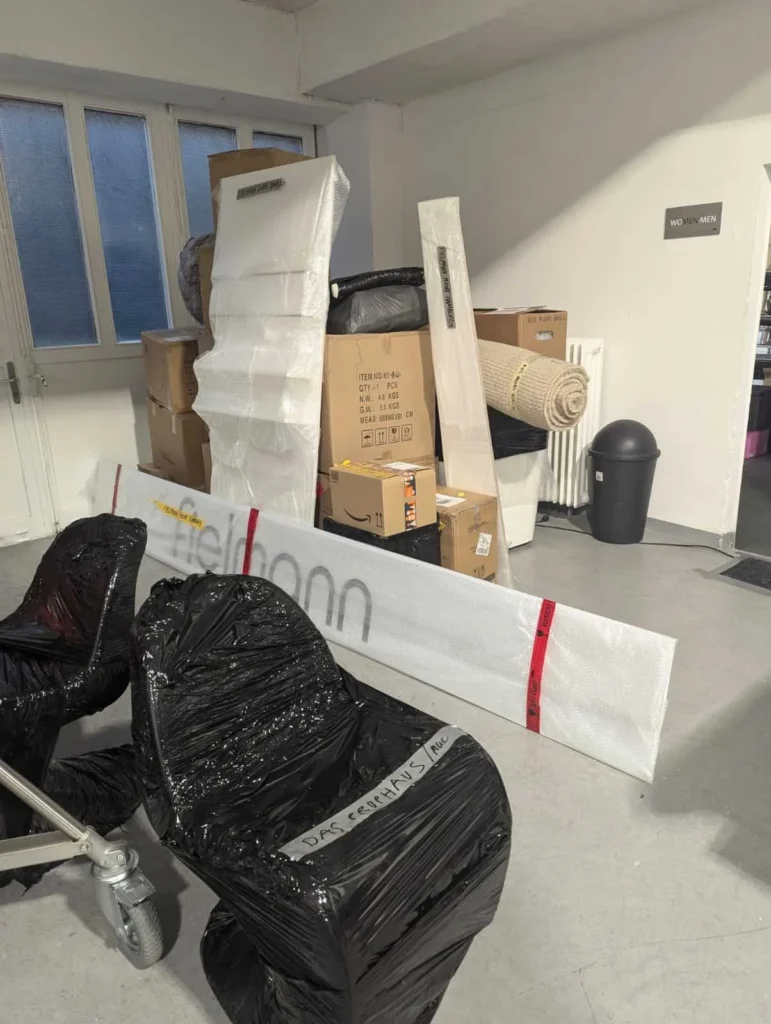
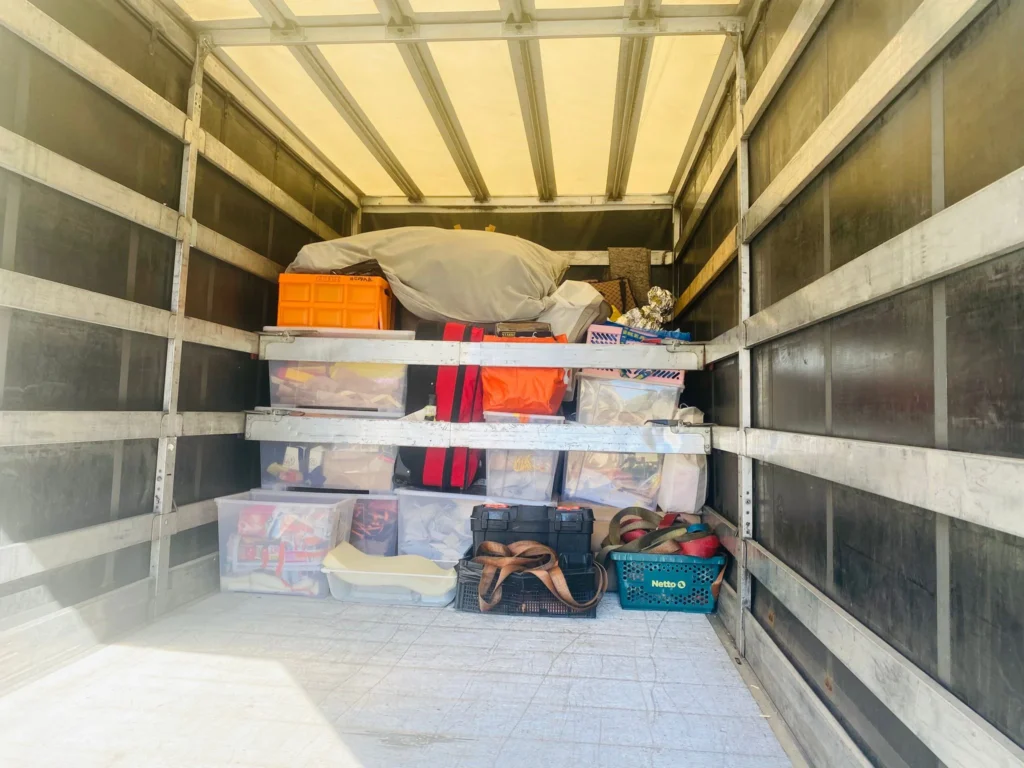
Good packing protects your belongings from vibration, pressure, movement and accidental impact during long-distance transport.
Useful materials include:
- Double-wall cardboard boxes
- Wardrobe cartons
- Bubble wrap
- Packing paper
- Furniture blankets
- Stretch film
- Mattress covers
- Corner protectors
- Strong packing tape
- Resealable bags for fittings
- Permanent markers
Avoid filling large boxes with books or tools. Use smaller cartons and distribute the weight. Each box should be strong enough to stack but light enough to carry safely.
Pack one room at a time
A room-based packing system makes loading and unpacking faster.
Label each box with:
- The destination room
- A box number
- A short contents description
- Handling instructions
- Your surname or shipment reference
Instead of writing only “Kitchen,” use “Kitchen, box 4, glasses and mugs, fragile.”
Numbered boxes also make it easier to confirm that the complete shipment has arrived.
Fragile and valuable possessions
Televisions, mirrors, artwork, antiques, musical instruments and glass furniture need additional protection.
Remove loose components and wrap them separately. Protect corners before applying stretch film. Never place adhesive tape directly on polished wood, leather, painted surfaces or electronic screens.
VANonsite offers professional Packing Service support for customers who want experienced help. White Glove Delivery is also suitable for delicate, premium and high-value possessions that require meticulous handling.
Furniture Removals to Germany
Furniture removals to Germany depend on both vehicle capacity and property access.
Measure:
- Furniture dimensions
- Door frames
- Hallways
- Staircases
- Lift interiors
- Building entrances
- Tight corners
A wardrobe may fit inside the vehicle but still be impossible to carry through a narrow staircase.
Large furniture should often be dismantled before transport. Place screws, brackets and bolts in labelled bags. Keep every bag with the correct item or store all fittings in one clearly marked container.
Sofas, mattresses and upholstered chairs should be covered. Wooden furniture needs blankets and corner protection. Glass components should be removed and packed vertically in suitable materials.
A man and van service can be a practical solution for a single sofa, bed, wardrobe or online furniture purchase.
Home Removals to Germany
Complete home removals to Germany involve tenancy dates, key collection, utilities, packing, transport and property access.
Whenever possible, begin planning 8 to 12 weeks before the move.
A practical preparation plan includes:
- Selling or donating unwanted possessions
- Packing seasonal items first
- Reserving essentials for the final week
- Confirming vehicle capacity
- Arranging parking at both addresses
- Preparing customs documents
- Photographing valuable furniture
- Packing a separate first-night box
Your first-night box should contain bedding, towels, toiletries, medication, chargers, basic kitchen items and a change of clothes.
Families should also keep children’s essentials and pet supplies close at hand.
Moving with children
Children may find an international move exciting but unsettling. Give them a clear role in the process.
They can label boxes, choose which toys remain accessible and prepare a personal arrival bag. Familiar bedding, books and toys can make the first night in Germany feel more comfortable.
Keep school records, medical documents and identification with you.
Moving with pets
Pets should remain away from the loading area. Open doors, unfamiliar people and moving furniture can create unnecessary stress.
Prepare food, water, medication, travel carriers and veterinary documents in advance. Check current pet entry requirements before travelling.
Office Removals to Germany
Office removals to Germany require careful planning to minimise business disruption.
Begin with an asset inventory covering computers, monitors, printers, desks, chairs, archived documents and specialist equipment.
Assign each item to a department, employee or room. Colour-coded labels can simplify larger relocations.
A structured office move should include:
- Appointing an internal coordinator.
- Creating an asset register.
- Backing up essential data.
- Photographing cable connections.
- Labelling equipment by workstation.
- Protecting monitors and computers.
- Scheduling loading outside core working hours.
- Checking every item at delivery.
VANonsite can transport workstations, furniture, documents and commercial equipment. Capacity options of up to 90 m³ and 20,000 kg allow the service to support both small offices and substantial business relocations.
Student Removals to Germany
Students usually need a compact and flexible solution.
A typical student shipment may contain clothes, books, kitchen equipment, a computer, a bicycle and several boxes. In this situation, a smaller man and van option may be more practical than a large household vehicle.
Popular student destinations include:
- Berlin
- Munich
- Hamburg
- Cologne
- Frankfurt
- Leipzig
- Dresden
- Heidelberg
Confirm the exact move-in time with the accommodation provider. Some residences accept deliveries only during reception hours. Others have limited parking, small lifts or no lift.
It may not be economical to transport low-value furniture over a long distance. Prioritise possessions that are valuable, useful or difficult to replace.
Student removals with VANonsite
Student removals with VANonsite are designed for smaller, carefully planned relocations between European cities and Germany. The service is suitable for boxes, suitcases, books, computers, bicycles and compact furniture. Customers can choose a vehicle capacity that reflects the true size of the shipment, rather than paying for unnecessary space. Door-to-door collection makes the process easier when moving from a family home, rented flat or student residence. GPS tracking also provides reassurance during the journey, while flexible scheduling can help students coordinate transport with university start dates, accommodation appointments and fixed key collection times.
Last-Minute Removals to Germany
Urgent relocations happen for many reasons. A tenancy may end unexpectedly, an employer may change the starting date or another carrier may cancel.
Last-minute removals to Germany can be possible, but fast organisation depends on precise information.
Provide:
- Exact collection and delivery addresses
- Earliest collection time
- Required delivery window
- Detailed inventory
- Photographs
- Estimated volume and weight
- Access information
- Contact details
- Customs status
Avoid vague requests such as “I need a van tomorrow.” Clear information allows the transport team to check availability and prepare a realistic solution quickly.
Removals to Major German Cities
Delivery conditions vary between cities, districts and individual properties.
Removals to Berlin
Berlin contains many apartment buildings, courtyards and busy streets. Check whether the vehicle can stop near the entrance. Declare upper-floor properties, long carrying distances and buildings without lifts.
Removals to Munich
Munich is a popular destination for professional and family relocations. Demand can increase at the beginning and end of each month, so early booking is recommended.
Removals to Hamburg
Hamburg attracts students, international professionals and businesses. Confirm loading conditions and access restrictions, particularly in central areas.
Removals to Frankfurt
Frankfurt is a major destination for corporate and professional moves. Office security, loading slots and building access may require advance coordination.
Removals to Cologne and Düsseldorf
These cities receive many household, student and business relocations. Parking and apartment access should be checked before collection.
Removals to Stuttgart
Stuttgart’s terrain and residential streets can create difficult access. Report steep roads, narrow entrances and underground parking restrictions when requesting a quotation.
Moving to Germany Checklist
| Time before moving | Recommended tasks |
|---|---|
| 8 to 12 weeks | Confirm the destination, budget and approximate shipment size |
| 6 to 8 weeks | Request quotations and choose the removals company |
| 4 to 6 weeks | Declutter and pack non-essential possessions |
| 2 to 4 weeks | Confirm documents, parking and access |
| 1 to 2 weeks | Complete packing and verify the inventory |
| 24 to 48 hours | Pack essentials and confirm collection details |
| Moving day | Check the shipment before departure |
| After arrival | Inspect possessions, unpack essentials and register your address |
Keep both a digital and printed copy of the inventory. Photograph valuable items and record their condition before loading.
Common Mistakes During Removals to Germany
The most common moving problems can usually be prevented.
Underestimating the shipment
Loose items occupy more space than expected. Include lamps, bags, plants, vacuum cleaners and garden equipment.
Ignoring weight limits
Books, appliances, tools and gym equipment can exceed a vehicle’s payload even when free space remains.
Hiding difficult access
A fourth-floor apartment without a lift changes the loading plan. Always disclose stairs, parking restrictions and long carrying distances.
Using weak boxes
Damaged, damp or previously crushed boxes offer poor protection. Use strong materials suitable for stacking.
Packing restricted goods
Check customs and transport rules before sealing boxes.
Losing furniture fittings
Unlabelled screws and brackets can make furniture assembly unnecessarily difficult.
Choosing only by price
A very low quotation may exclude labour, packing, customs support or sufficient capacity. Compare the complete service rather than the headline figure.
Why Choose VANonsite for Removals to Germany?
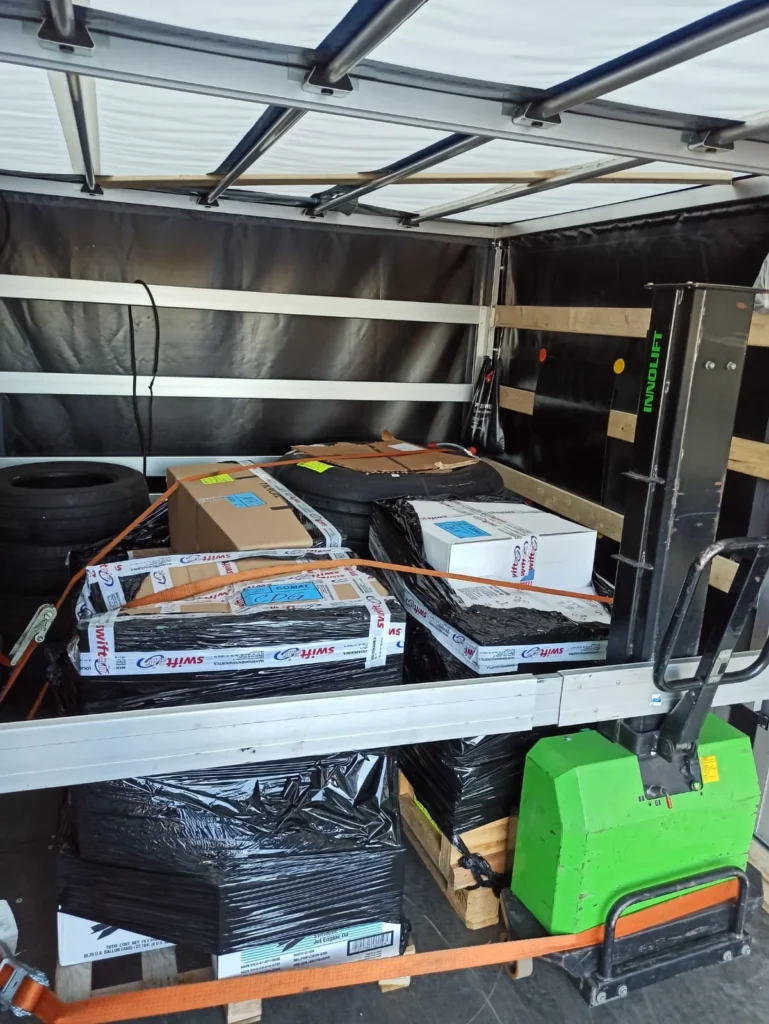
VANonsite combines flexible vehicle capacity with organised European transport. The service can be adapted to a student move, furniture delivery, family relocation or large office project.
Customers benefit from:
- Door-to-door transport
- GPS tracking
- Six capacity options
- Professional packing support
- Furniture Removals
- Home Removals
- Office Removals
- Student Removals
- Last Minute Moving
- White Glove Delivery
- Storage options
Available capacity ranges from 1 m³ and 100 kg to 90 m³ and 20,000 kg. This allows customers to choose a service that reflects the real size of the move.
VANonsite also supports complex European routes involving long distances, border procedures and challenging delivery conditions.
Frequently Asked Questions About Removals to Germany
How much do removals to Germany cost?
The cost depends on the route, shipment volume, weight, access and additional services. Provide an inventory, photographs and both postcodes for an accurate quotation.
How long do removals to Germany take?
Transit time depends on the origin, destination, collection schedule, road conditions and customs procedures.
Can I book a man and van to Germany?
Yes. A man and van service can suit students, boxes, luggage, small apartments and individual furniture deliveries.
Do I need customs documents?
Customs documents are usually not required for ordinary household goods moving from another EU country. They may be necessary for shipments from the UK, Switzerland, Norway or another non-EU country.
Can VANonsite move one item?
Yes. Single-item transport may be available for sofas, beds, wardrobes, antiques and other furniture.
Can I track my belongings?
Yes. VANonsite provides GPS tracking for transported loads.
Does VANonsite offer packing support?
Yes. Professional packing can be arranged for boxes, furniture, fragile possessions and complete households.
Can VANonsite handle office moves?
Yes. Office furniture, equipment, workstations, documents and commercial cargo can be transported to destinations across Germany.
Does VANonsite provide student removals?
Yes. VANonsite provides student removals for boxes, luggage, bicycles, computers and compact furniture. Smaller vehicle options can help students avoid paying for more transport space than they need.
Get a Quote for Removals to Germany
Successful removals to Germany begin with accurate information.
Prepare your collection and delivery addresses, moving date, inventory, photographs and access details. Decide whether you need packing, dismantling, storage or specialist support for valuable items.
VANonsite can organise anything from a compact man and van collection to a complete household or office relocation. Flexible vehicle capacities, professional handling, door-to-door transport and GPS tracking help turn a complicated international move into a controlled and reassuring process.
Plan early, choose the correct capacity and work with a removals team that understands European transport.

Karen Altizer is a seasoned professional with a wealth of experience, skilled at crafting compelling narratives and strategic messages for diverse audiences.