
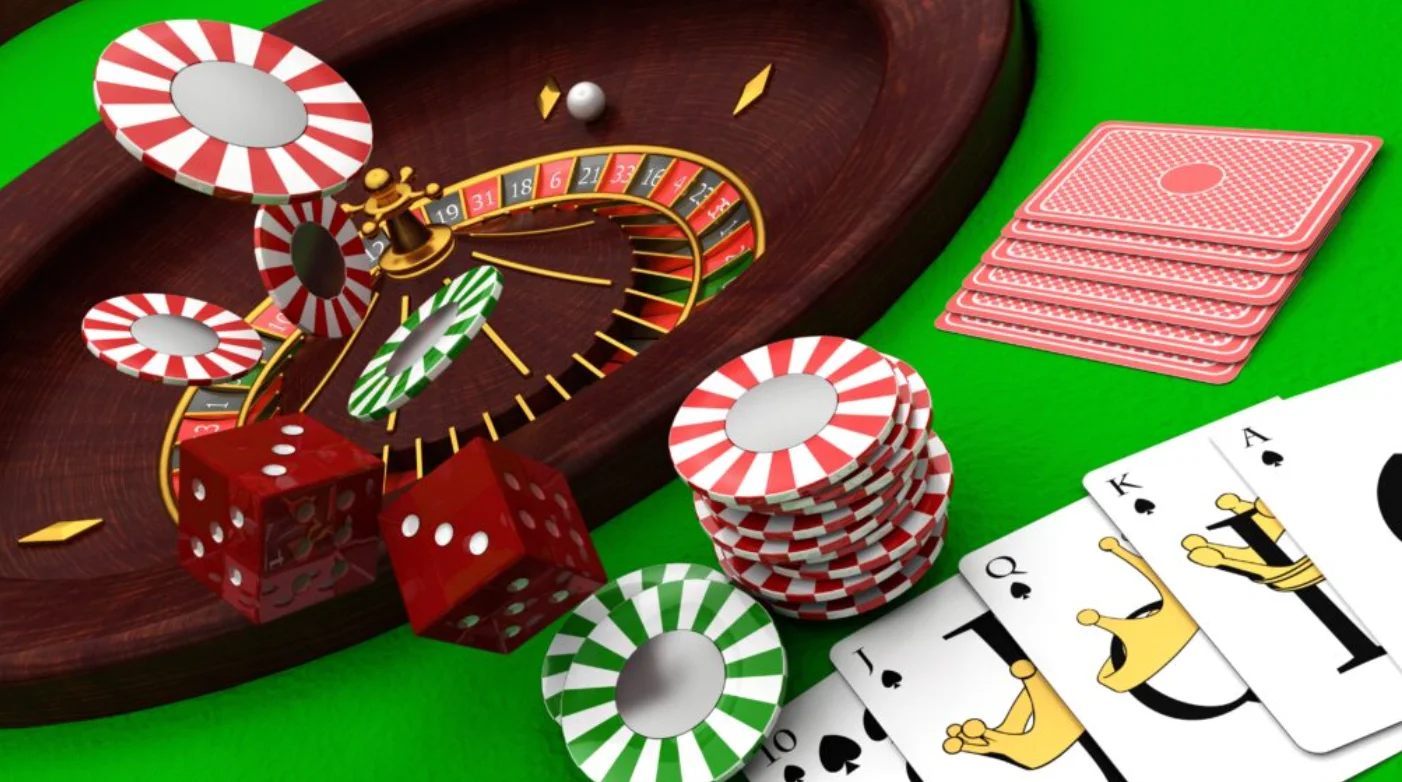
Which categories of games are popular among British users?
The UK online entertainment market is considered one of the most mature in Europe. The local audience is accustomed to a wide range of choice, transparent rules and straightforward maths, so their tastes differ markedly from those on the continent. This also applies to the offerings provided by casinos not on gamstop: their catalogues are often tailored to the specific preferences of the British audience, but may feature a different selection of games and mechanics. Understanding exactly what appeals to users in London, Manchester or Edinburgh is useful both for analysing demand and for assessing the principles behind the development of local platforms.
What shapes the preferences of the British audience
Cultural context is just as important as technology. The tradition of pub slot machines, seaside arcades and Saturday bingo existed long before smartphones, and digital services have simply transferred these familiar forms of entertainment to a new interface. Consequently, users are less likely to experiment for the sake of novelty and more likely to return to tried-and-tested mechanics.
The second factor is financial literacy: Brits read the terms and conditions, compare RTPs, and take an interest in volatility and limits. The third is mobility: a significant proportion of sessions take place whilst travelling or during lunch breaks.
- a preference for classics, inherited from offline gaming;
- an emphasis on maths and transparent parameters;
- priority given to the mobile interface;
- caution towards new genres without an established reputation.
This is precisely why the list of the most popular categories here changes slowly.
Slots: the broadest category in the catalogue
Slots hold the top spot in terms of the number of plays: the entry barrier is minimal, a session can be ended at any moment, and the visual element compensates for the lack of complex decisions.
Mechanics that determine choice
The most recognisable is Megaways by Big Time Gaming, with a variable number of combinations (up to 117,649). Close behind are cluster pays instead of classic paylines and the Big Bass fishing series by Reel Kingdom, whilst among the ‘book’ releases, Book of Dead by Play’n GO enjoys the most consistent demand.
Volatility and pace
Experienced players consciously choose their level of risk: low volatility offers a steady rhythm and longer sessions, whilst high volatility brings rare but more significant events. Playing the demo version before betting real money remains standard practice.
Table classics: roulette, blackjack, baccarat
Table games have never lost their appeal – they are chosen by those who value the logic of the game rather than mere chance.
The roulette wheel appeals for its simplicity: the rules can be learnt in a minute, and there are plenty of betting options for both beginners and fans of betting systems. The European version with a single zero remains the standard in British casinos.
Card games demand attention: basic strategy significantly alters the expected return, which appeals to the analytical type of player. Baccarat, meanwhile, is prized for its minimal involvement and the casino’s low house edge.
Live studios: entertainment with a real host
Live streams have evolved from a niche addition into a standalone category, as they recreate the atmosphere of a land-based casino without the need to travel anywhere. The key advantage is the social aspect: chat, joint betting, and real props instead of animations.
- live tables with classic rules;
- show formats with extra rounds;
- rooms with different betting limits.
The technical quality of the connection often determines whether a viewer will return for a second time. Before choosing a platform, it’s worth checking the list of studios and terms and conditions – much like analytical reviews of gaming platforms do.
Bingo and instant games
Few places in Europe enjoy the same status for bingo as here: Mecca and Gala clubs have been part of local life for decades, whilst Tombola became one of the first major digital platforms. Classic 90- and 75-ball formats have been complemented by faster-paced rooms featuring 30 and 50 numbers.
Alongside these, scratch cards, virtual lotteries and crash games – where the outcome depends on the moment the game stops – are also developing.
The instant entertainment segment is also growing – scratch cards, virtual lotteries and one-click arcade games. The younger segment of the audience is drawn to crash games, where the outcome depends on the moment the game stops.
Regulatory context
Demand is shaped not only by preferences but also by a strict regulatory framework. Market licensing falls within the remit of the UK Gambling Commission – a regulator established under the Gambling Act 2005.
Since October 2021, online slot machines have been prohibited from using auto-spin features; the minimum spin duration is 2.5 seconds; and a result lower than the stake cannot be presented as a win. The consequence is predictable: the UK versions of these games have a slower pace and a more restrained interface.
How to choose a game type to suit your leisure style
- Short on time – instant games and speed bingo.
- Want to influence the outcome – card tables.
- Atmosphere is important – live streams with a host.
- Need a relaxed pace – low-volatility slots.
- If novelty appeals to you – hybrid shows and crash mechanics.
The most useful habit of the British audience that’s worth adopting is to read the rules before you start playing, rather than afterwards. Transparency of settings and setting your own limits ensure that leisure time remains just that – leisure – rather than a source of stress.

Karen Altizer is a seasoned professional with a wealth of experience, skilled at crafting compelling narratives and strategic messages for diverse audiences.