
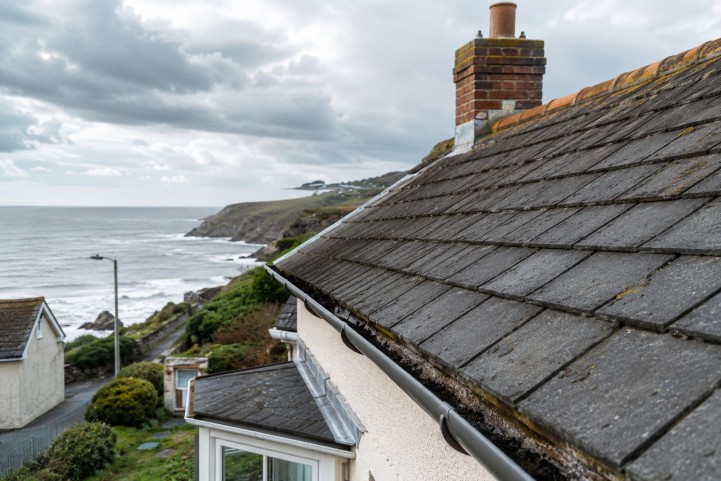
A Seasonal Roof Checklist for Homes in Exposed Coastal Areas
Living near the coast brings open skies, sea air and easy access to the shoreline, but it also gives the outside of a home more work to do. Roofs in exposed areas face strong winds, wind-driven rain, salt in the air and abrupt changes in weather. A roof in good condition is designed to handle these pressures, although small defects can develop more quickly when maintenance is delayed.
A seasonal check does not need to involve climbing onto the roof. Most homeowners can gather useful information from ground level, from an upstairs window and from inside the loft where access is safe. The purpose is to spot changes, not to diagnose every problem. A slipped tile, overflowing gutter or new ceiling mark is enough reason to arrange a closer look.
Begin with the roof edges
Wind has the greatest leverage at exposed edges. Verges, eaves, ridge tiles and the perimeter of flat roofs should therefore be part of every visual check. Look for changes in the line of the roof, loose mortar, lifted materials or anything that appears different after a storm.
Fascias and soffits also matter. They support and protect the lower edge of the roof, and they can reveal drainage problems. Peeling finishes, dark staining or damp patches may point to a gutter overflowing above. These details are easier to repair before timber has remained wet for a long period.
Watch gutters during rainfall
A dry-day inspection can show leaves and visible damage, but rainfall reveals whether the system works. Gutters should carry water towards downpipes without spilling over the front or leaking heavily at joints. A section that overflows despite being clear may be sagging or incorrectly aligned.
Coastal winds can deposit grit, moss and windblown debris in places that appear sheltered. Downpipe outlets are common pinch points. Clearing them before autumn and checking again after severe weather reduces the chance of water running down walls or backing towards the roof covering.
Check flashings around chimneys and walls
Flashings seal the places where a roof meets a chimney, wall, dormer or other projection. They are often made from lead or another weatherproof material and must remain correctly fitted as the building moves through changes in temperature.
Warning signs include lifted edges, splits, cracked surrounding mortar and damp inside near a chimney breast. Water entering around a flashing can travel before it becomes visible, so the position of an internal stain does not always identify the exact point of entry.
For homeowners seeking advice from roofers Bognor Regis, it is worth describing when a mark appears and the direction of the weather at the time. That information can be more helpful than simply saying that the roof leaks.
Give small flat roofs their own inspection
Bay windows, porches, garages and rear extensions often have flat or low-pitched coverings. These areas need clear outlets and sound perimeter details. Standing water, bubbles, cracks, lifted edges or debris around an outlet can all shorten the useful life of the covering.
Avoid using a flat roof as storage. Planters, tools and loose materials may puncture the surface or block drainage. If a roof is not designed as a terrace, it should not be walked on casually. A visual inspection from a safe position is usually the better approach.
Look inside after prolonged rain
Some defects are easier to identify from inside. Check upstairs ceilings, corners beside external walls and areas around chimney breasts. In the loft, look for damp underlay, staining on timbers or insulation that appears wet or compressed.
Condensation can sometimes resemble a roof leak, particularly in colder months. Good ventilation and an accurate assessment are important before deciding on a repair. The timing and pattern of moisture can help distinguish a weather-related defect from a ventilation problem.
Keep notes rather than relying on memory
Taking a few dated photographs from the same ground-level positions makes it easier to spot gradual movement. A gutter may sag slowly, mortar can weather over several seasons and a small patch of moss may spread. Comparison photographs provide useful context when a professional inspection is eventually needed.
Notes are also helpful after a storm. Record where debris was found, whether an internal mark grew and which direction the wind and rain came from. This turns a vague concern into practical information.
Make maintenance calm and predictable
The best coastal roof routine is regular rather than reactive. A check in early autumn, another after severe winter weather and a quick look after unusually heavy rain will cover many common issues. Homeowners should stay on the ground and leave access work to people with suitable equipment.
Coastal exposure does not mean constant repairs. It simply rewards attention to the details that manage wind and water. Clear gutters, secure edges, sound flashings and well-drained flat roofs allow the whole building to cope more effectively with changing weather.
By treating roof checks as a normal seasonal task, homeowners can plan maintenance at a convenient time and reduce the likelihood of discovering a problem during the next storm.