
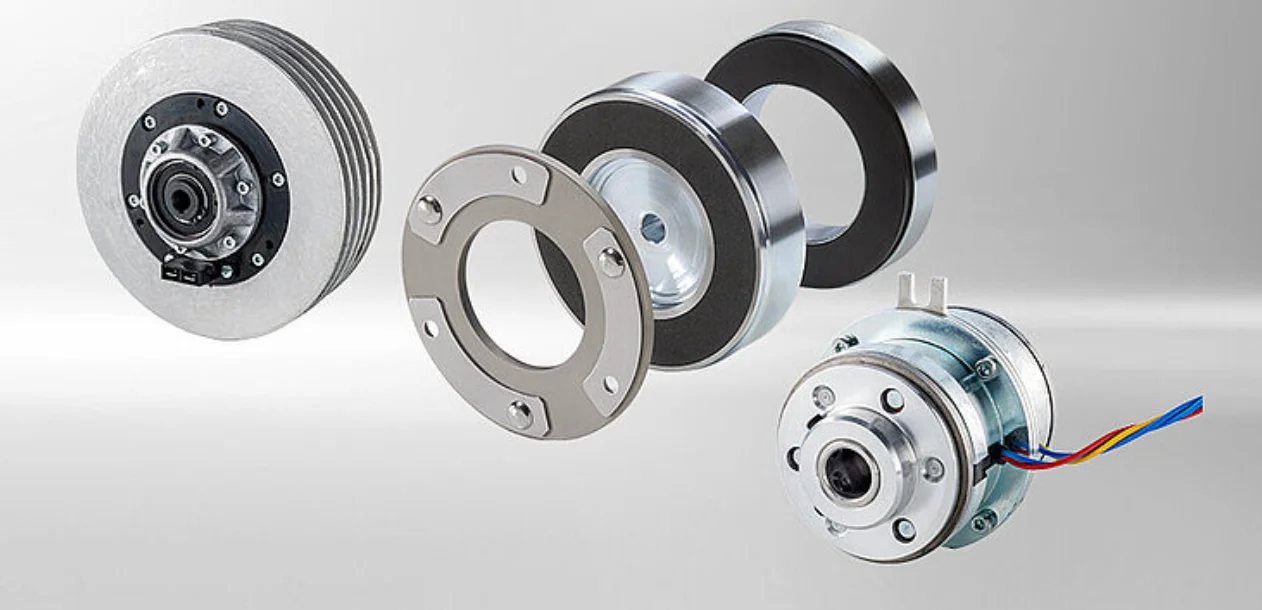
How Mechanical Clutches Support Sustainable Manufacturing Practices
Modern manufacturing is under increasing pressure to reduce waste, cut energy consumption, and extend the lifespan of industrial equipment. As you look for practical ways to make your production processes greener, the components you choose at the machinery level matter more than you might expect. Mechanical clutches are one such component, quiet contributors to sustainability that deserve a closer look.
Precision Power Transfer Reduces Energy Waste
When you integrate a clutch into a drive system, you can precisely connect and disconnect power when needed. Without this control, motors run continuously, consuming electricity even during idle periods. By choosing from a range of mechanical clutches matched to your specific application, you can ensure that energy is only transmitted when the machine is actively doing work. This targeted power delivery can help reduce your production line’s electricity use, lowering operating costs and your facility’s carbon footprint.
Protecting Equipment and Extending Service Life
One of the most significant and often overlooked sustainability benefits of mechanical clutches is the protection they offer to expensive machinery. When a jam, overload, or sudden shock occurs on the line, a clutch acts as a mechanical buffer, absorbing or limiting the transfer of damaging forces. This protection means your motors, gearboxes, and driven components are far less likely to suffer catastrophic damage from torque spikes.
From a sustainability standpoint, extending equipment life is enormously valuable. Manufacturing new industrial machinery requires significant raw materials and energy. Every additional year you get from an existing machine is a year you avoid that environmental cost. According to the U.S. Department of Energy, optimizing industrial motor systems, the very systems that clutches help manage, represents one of the largest opportunities for energy savings in the manufacturing sector.
Reducing Downtime and Material Scrap
Unplanned downtime is a sustainability problem as much as a productivity one. When equipment fails unexpectedly, you often lose not just machine time but also the partially processed materials already in the production stream. Clutches designed with overload protection features help you avoid these sudden failures by disengaging before damage occurs.
You can schedule maintenance on your own terms rather than reacting to breakdowns. Planned maintenance is more efficient, generates less waste, and allows you to use lubricants, replacement parts, and shop time in a far more controlled and frugal way. The result is a leaner, cleaner operation that aligns naturally with circular economy principles.
Supporting Regenerative and Variable-Speed Systems
As you modernize your facility, you may be incorporating variable-frequency drives, regenerative braking systems, or other energy-recovery technologies. Mechanical clutches play a well-suited supporting role in these systems. They allow you to decouple loads during deceleration phases, enabling energy-recovery mechanisms to operate more effectively. The International Energy Agency highlights industrial energy efficiency as a critical pathway to meeting global climate targets, and component-level decisions like clutch selection feed directly into that larger goal.
Making the Right Choice for Your Process
The sustainability case for mechanical clutches is not theoretical; it is built into the day-to-day reality of how energy flows, how machines wear, and how waste accumulates on a production floor. As you evaluate your equipment, consider not just the upfront cost of any given component but the full lifecycle impact. A well-chosen clutch pays dividends in energy saved, machinery preserved, and materials kept out of the waste stream. In this way, something as functional as a drive coupling becomes a genuine part of your sustainability strategy.

Karen Altizer is a seasoned professional with a wealth of experience, skilled at crafting compelling narratives and strategic messages for diverse audiences.