
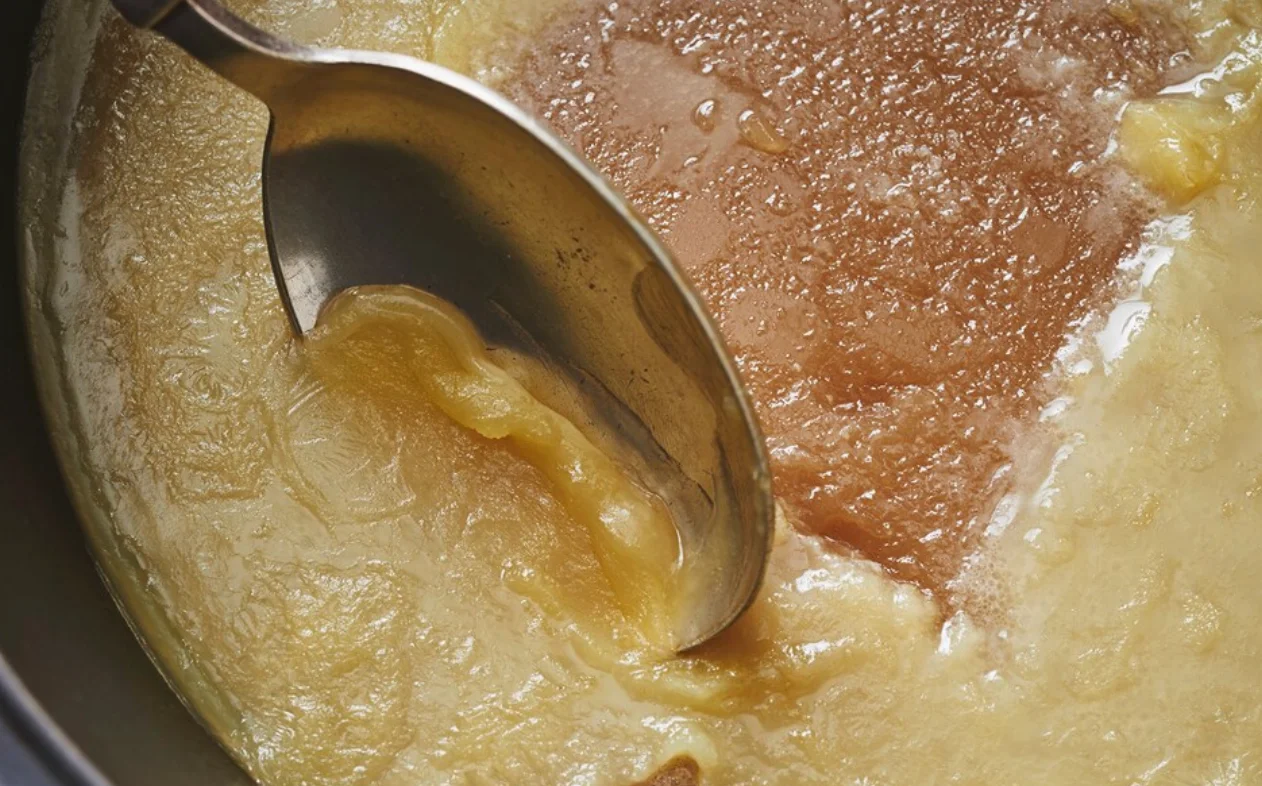
Irish Beef Dripping: A Traditional Cooking Fat Making a Comeback
For generations, Irish beef dripping was a familiar presence in farmhouse kitchens, butcher shops, and traditional chip shops across Ireland. Long before modern vegetable oils became the default choice for frying and roasting, beef dripping was valued for its rich flavour, high cooking performance, and close connection to nose-to-tail eating. Today, this once humble kitchen staple is making a quiet but noticeable comeback among chefs, home cooks, and food lovers who are rediscovering the depth and authenticity it brings to traditional cooking.
Beef dripping is rendered beef fat, usually taken from the fat surrounding the kidneys or other high-quality trimmings. When slowly heated, the fat melts and separates from any remaining solids, producing a clean, pale, creamy cooking fat with a savoury aroma. In Ireland, where cattle farming has long been central to rural life, dripping was never merely a by-product. It was part of a practical food culture in which every part of the animal was respected and used wisely.
One of the main reasons Irish beef dripping is returning to attention is flavour. Unlike neutral vegetable oils, dripping gives food a distinctive richness. Potatoes roasted in beef dripping develop a crisp golden crust and a soft, fluffy centre. Chips fried in dripping have a deeper, more traditional taste than those cooked in standard oil. Even simple vegetables, when roasted with a small amount of dripping, gain a savoury complexity that feels both rustic and luxurious.
This flavour is closely linked to Ireland’s beef heritage. Irish cattle are often grass-fed, and the fat from grass-fed beef can carry subtle differences in taste and colour. For many cooks, Irish beef dripping represents more than just a cooking ingredient; it reflects the landscape, farming traditions, and culinary memory of the country. It connects modern kitchens with older methods of cooking, when food was prepared slowly, carefully, and with minimal waste.
Another reason for the renewed interest in beef dripping is its excellent performance at high temperatures. Because it has a relatively high smoke point, dripping is well suited to frying, roasting, and searing. It can help create crisp textures without breaking down as quickly as some delicate oils. This makes it particularly useful for classic dishes such as roast potatoes, Yorkshire puddings, savoury pies, fried bread, and traditional chips.
The comeback of beef dripping also fits into a broader movement toward traditional fats. For many years, animal fats were pushed aside in favour of processed spreads and industrial seed oils. More recently, cooks and consumers have begun to question highly processed ingredients and look again at older, simpler alternatives. Butter, lard, tallow, and dripping have all benefited from this shift. While they should still be used with balance and moderation, they are increasingly seen not as outdated products, but as meaningful ingredients with culinary value.
Sustainability is another important part of the story. In a world more aware of food waste, beef dripping supports a nose-to-tail approach. If an animal is raised for meat, using the fat responsibly is a logical and respectful choice. Instead of discarding valuable trimmings, rendering them into dripping turns them into something useful, delicious, and long-lasting. This traditional practice aligns surprisingly well with modern conversations about sustainability and ethical consumption.
Irish beef dripping also appeals to chefs who want to create dishes with a strong sense of place. In restaurants, ingredients with a clear origin and story are highly valued. A dish cooked with Irish beef dripping can communicate tradition, locality, and craftsmanship. It gives chefs a way to honour old recipes while presenting them in a refined, contemporary style. A simple plate of roast potatoes, for example, can become memorable when the fat used to cook them carries real character.
For home cooks, using beef dripping is straightforward. It can be spooned into a hot roasting tray before adding potatoes, melted in a pan for frying, or used in pastry for savoury pies and puddings. A little goes a long way, as the flavour is rich and pronounced. It is best stored in a cool place, usually refrigerated after opening, and kept in a clean container to preserve freshness. Good-quality dripping should smell pleasantly savoury, not sour or rancid.
Of course, beef dripping is not an everyday solution for every meal. It is a robust animal fat and should be used thoughtfully as part of a varied diet. Its return does not mean abandoning olive oil, rapeseed oil, or butter. Rather, it means restoring balance to the kitchen and recognising that different fats have different purposes. Dripping excels where depth of flavour, crispness, and tradition matter most.
The emotional appeal of beef dripping should not be underestimated either. Food trends often return because they satisfy more than hunger. They offer comfort, memory, and identity. For many people, the smell of potatoes roasting in beef dripping recalls family dinners, Sunday roasts, and old-fashioned cooking. In a fast-paced food culture dominated by convenience, such ingredients remind us that simple, honest flavours can still feel special.
The revival of Irish beef dripping is therefore not just a nostalgic trend. It is part of a wider re-evaluation of traditional food knowledge. Cooks are asking where ingredients come from, how they are made, and what stories they carry. Beef dripping answers these questions clearly. It is local, practical, flavourful, and rooted in a culture that values both farming and cooking.
As more people return to real ingredients and traditional techniques, Irish beef dripping is finding its place again. Whether used for the perfect roast potato, a batch of crisp chips, or a savoury pie with old-world character, it brings something unmistakable to the table. It reminds us that some of the best culinary ideas are not new at all. They have simply been waiting to be rediscovered.
In the end, Irish beef dripping is more than a cooking fat. It is a link between past and present, between the field and the kitchen, between practicality and pleasure. Its comeback shows that tradition can adapt, survive, and even thrive in modern food culture. For anyone seeking deeper flavour and a more authentic connection to Irish cooking, beef dripping deserves a place back in the pantry.
https://frylite.com/beef-dripping-frylite/

Karen Altizer is a seasoned professional with a wealth of experience, skilled at crafting compelling narratives and strategic messages for diverse audiences.