Modern Home Building Starts with Better Materials: Why Timber Still Leads the Way
Every well-built home reflects a series of thoughtful decisions, many of which happen long before construction begins. Among those choices, selecting the right materials plays a defining role in how a home performs, ages, and feels to live in. While new building products continue to enter the market, timber has maintained its position as a trusted and highly adaptable option.
What makes timber particularly compelling is its ability to evolve alongside modern construction demands. It offers a combination of durability, efficiency, and design flexibility that supports both traditional craftsmanship and contemporary innovation. As builders and homeowners aim for higher standards, wood continues to prove its relevance in meaningful ways.
The Changing Landscape of Building Materials
The construction industry has seen a steady expansion of material options, each promising improved performance or efficiency. However, not all materials deliver consistent results across different environments and project types. Timber stands out because it has been tested over time while also benefiting from ongoing advancements in processing and treatment.
Insights into the role of building product manufacturers and industry development highlight how material innovation continues to shape construction practices. Even within this evolving landscape, wood remains a core component due to its reliability and versatility.
This balance between tradition and innovation allows timber to meet modern expectations without losing the qualities that have made it a staple for generations. Builders can rely on its proven performance while taking advantage of new techniques that enhance its capabilities.
Why Timber Continues to Deliver Reliable Results
Consistency and Workability
One of timber’s greatest strengths is its predictability. When sourced and treated correctly, wood provides consistent performance that builders can depend on. Its workability also makes it easier to cut, shape, and install, reducing the complexity of construction tasks.
This ease of use contributes to more efficient workflows. Crews can complete tasks with greater precision and fewer delays, which ultimately leads to smoother project timelines. For both large-scale builds and smaller residential projects, this reliability is a significant advantage.
Natural Comfort and Energy Performance
Timber also plays a role in improving indoor comfort. Its natural insulating properties help regulate temperature, making homes more energy-efficient and comfortable to live in. This benefit becomes increasingly important as homeowners look for ways to reduce energy consumption without compromising quality.
In addition, wood contributes to a more inviting atmosphere. Its texture and warmth create spaces that feel lived-in and balanced, supporting both functionality and aesthetic appeal.
Choosing the Right Timber Solutions for Your Project
Not all timber is the same, and selecting the right type for a specific project requires careful consideration. Factors such as load requirements, environmental exposure, and design goals all influence which materials are most appropriate.
Working with experienced providers ensures that these decisions are made with confidence. Companies offering solutions from Tar River Timber bring a level of expertise that helps match materials to the unique demands of each project. Their approach focuses on both performance and efficiency, ensuring that the selected timber supports the overall vision.
This guidance is particularly valuable in projects where precision matters. By choosing the right materials from the beginning, builders can avoid unnecessary adjustments and maintain a steady construction process.
Integrating Timber into Modern Interior Spaces
Beyond its structural role, timber has become a defining feature in interior design. It offers a natural contrast to modern materials like glass and metal, helping create spaces that feel balanced rather than overly industrial.
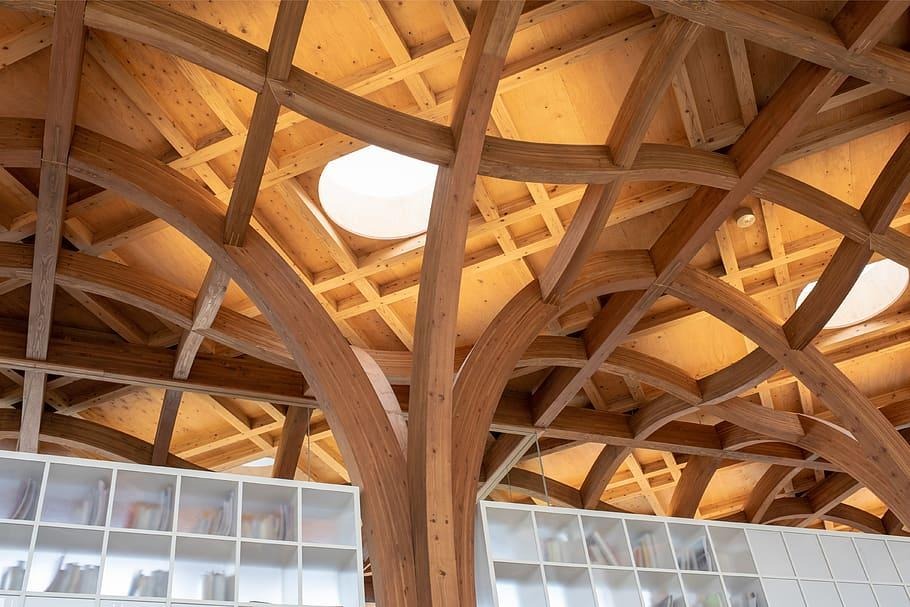
Wood can be incorporated in subtle or bold ways, from flooring and wall panels to exposed beams and custom cabinetry. Each application adds depth and character, allowing homeowners to personalize their spaces without sacrificing cohesion.
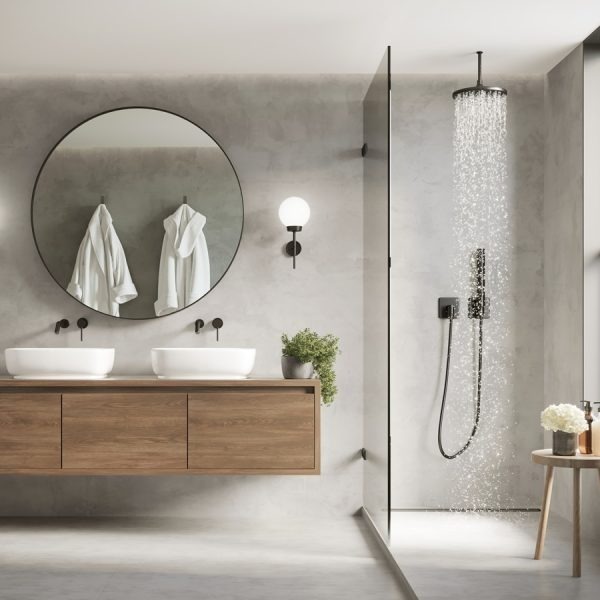
For those exploring ways to enhance interior comfort and style, this guide to creating a relaxing and well-designed bathroom space highlights how thoughtful design choices can transform everyday environments into more functional and enjoyable areas.
Reducing Construction Challenges Through Better Material Choices
Many construction challenges can be traced back to material issues, whether it’s inconsistency, poor quality, or incompatibility with the design. Timber, when properly sourced and prepared, minimizes these risks by offering dependable performance and adaptability.
Its flexibility allows for adjustments without compromising structural integrity, which is especially useful in projects that evolve during the building process. This adaptability helps keep projects moving forward, even when unexpected changes arise.
Additionally, timber’s compatibility with a wide range of building systems makes it easier to integrate into different construction methods. This versatility reduces friction between design and execution, resulting in a more cohesive workflow.
Looking Ahead: Timber’s Role in Future Construction
The future of construction is increasingly focused on efficiency, sustainability, and innovation. Timber aligns naturally with these priorities, offering a renewable resource that supports modern building techniques. Engineered wood products are expanding the possibilities for timber, allowing it to be used in ways that were previously limited.
As these advancements continue, timber is likely to play an even greater role in shaping how homes are built. Its combination of tradition and adaptability positions it as a material that can meet both current and future demands.
Builders who embrace these developments are finding new ways to enhance performance while maintaining the qualities that make wood so appealing. This ongoing evolution ensures that timber remains a central part of the construction conversation.
Conclusion
Timber’s lasting value lies in its ability to adapt while maintaining its core strengths. It offers reliability, efficiency, and design flexibility, making it a practical choice for modern home construction. By selecting the right materials and working with knowledgeable professionals, builders can create homes that are both durable and thoughtfully designed.
As the industry continues to evolve, timber remains a material that bridges the gap between tradition and innovation. Its role in shaping better homes is unlikely to diminish, making it a cornerstone of construction for years to come.

Karen Altizer is a seasoned professional with a wealth of experience, skilled at crafting compelling narratives and strategic messages for diverse audiences.