
Modern Floristry: How to Choose Arrangements That Actually Last
When you walk into a high-end event or a cozy home, the first thing that hits you isn’t the furniture—it’s the scent and the color of fresh petals. Flowers change the temperature of a room. They take a sterile office and make it feel alive, or they turn a simple dinner into something worth remembering. Finding a master who understands this balance is half the battle, and that is where a professional Florist Julien steps in. They don’t just shove stems into a vase; they build a visual narrative that suits the specific light and mood of your space. Most people think picking flowers is about color, but it is actually about texture and timing. If you get those two right, the arrangement becomes a piece of living art that stays vibrant long after the initial delivery.
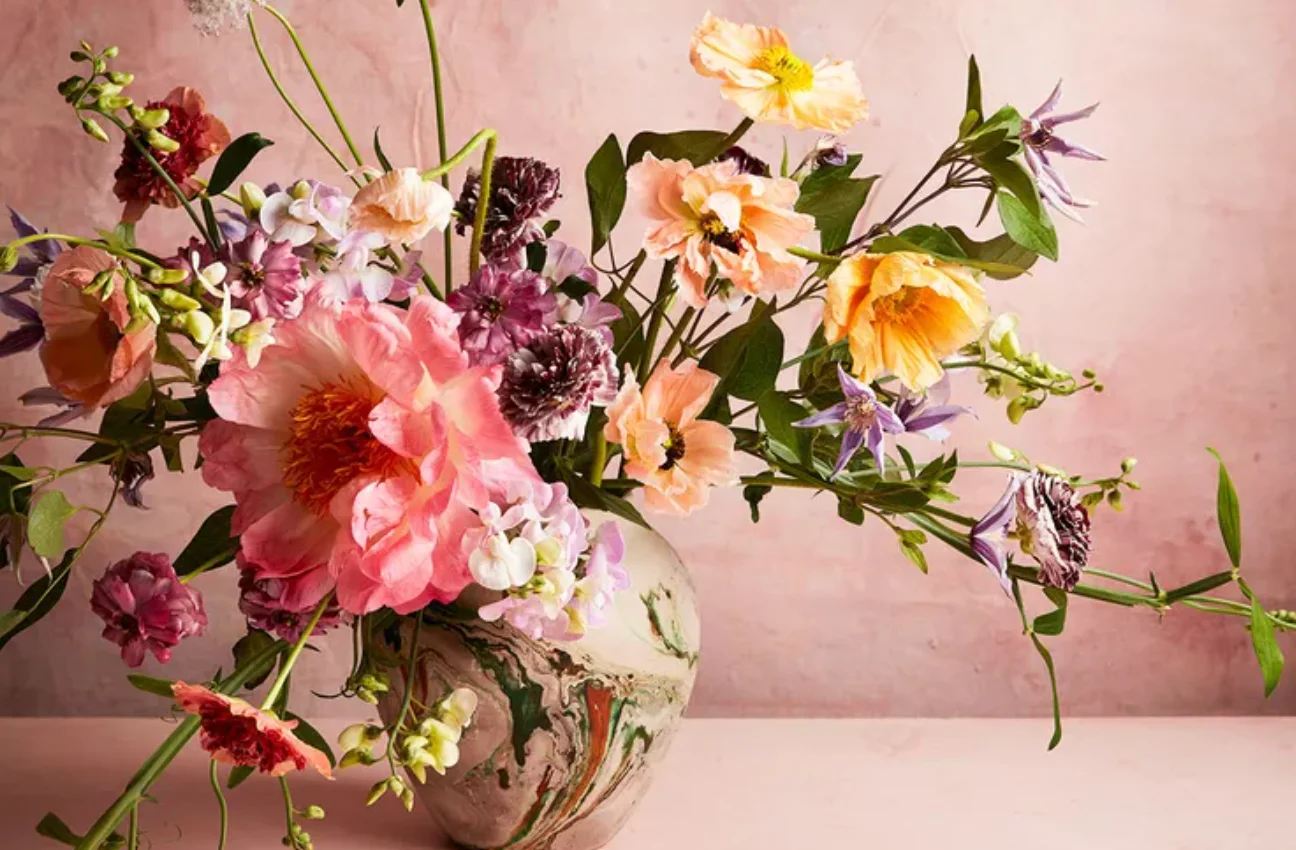
The floral industry has shifted away from the stiff, plastic-looking bouquets of the nineties. We now crave something that feels organic, almost as if it were plucked from a wild garden ten minutes ago. This “naturalistic” style requires more skill than the old-fashioned symmetrical domes. It demands an eye for how different plants interact.
Why Seasonal Sourcing Beats Global Imports
I always tell people to look at what is blooming outside before they place an order. While technology allows us to fly roses across the ocean in February, those flowers often lack the soul and fragrance of something grown in its natural window. When you buy seasonal, you get stems that haven’t been stressed by long-haul flights and chemical preservatives. You notice the difference in the way a spring tulip bends toward the light or how a summer hydrangea holds its water.
Local sourcing also means you get access to weird and wonderful varieties that don’t survive industrial shipping. Think about delicate sweet peas or brittle chocolate cosmos. These flowers add a layer of sophistication that makes a bouquet look custom-made rather than mass-produced. Plus, supporting local growers keeps the floral community healthy and ensures that unique seeds stay in circulation.
If you are planning an event or just want a fresh jar on your kitchen island, keep these practical tips in mind for maximum longevity:
- Always recut the stems at a 45-degree angle under running water to prevent air bubbles from clogging the vascular system.
- Use lukewarm water for most bulb flowers, but keep woody stems like lilac in cooler temperatures.
- Change the water every single morning; if you wouldn’t drink it, your flowers shouldn’t have to either.
- Remove any leaves that sit below the waterline to stop bacteria from turning the water into a swampy mess.
The Art of the Narrative Bouquet
A great arrangement tells a story about the person receiving it. If I’m sending something to a friend who loves minimalist architecture, I won’t send a chaotic explosion of wildflowers. I’ll look for something sculptural—maybe calla lilies or a single, perfect Protea. The design should reflect the recipient’s personality. We see more people using flowers to express complex emotions that go beyond “I’m sorry” or “Happy birthday.”
Colors carry weight too. Deep, muddy purples and burgundies suggest mystery and sophistication, while soft peaches and creams evoke a sense of calm and safety. When you work with a skilled designer, you can discuss these vibes rather than just picking a number from a catalog. It’s a collaborative process that results in something truly personal.
People often ask me about the “filler” greenery. In modern floristry, we don’t call it filler. Foliage is the architecture. Whether it is the dusty blue of eucalyptus or the dark, glossy leaves of ruscus, the greenery sets the stage. It provides the shadows that make the bright colors of the petals pop. Without good foliage, a bouquet looks flat and two-dimensional.
Beyond the Vase: Flowers as an Experience
We are seeing a huge trend in floral installations that go beyond the traditional container. People want flowers hanging from chandeliers, crawling up staircases, or spilling out of vintage crates. It’s about creating an immersive environment. For weddings and big parties, these installations act as the backdrop for every photo and every conversation. They set the energy for the entire night.
Maintaining that energy requires a bit of foresight. If you are doing a DIY project, you might struggle with wilting halfway through the night. Professionals use hidden mechanics—floral foam, chicken wire, and water tubes—to keep everything hydrated without ruining the aesthetic. It’s a bit like stage magic; you see the beauty, but the hard work remains hidden behind the leaves.
When you invest in high-quality floral design, you aren’t just buying plants. You are buying a moment of pause. In our frantic, digital lives, stopping to look at the intricate veins of a petal or the way a bud slowly opens over three days is a form of meditation. It’s a physical reminder that growth takes time and beauty is often fleeting, which makes us appreciate it even more while it lasts.
I’ve spent years watching how people react to flowers. The reaction is almost always universal. Shoulders drop, a smile appears, and the room feels a little less heavy. That is the real value of a professional florist. They provide the tools for that emotional shift. Next time you think about sending a gift, skip the gift card and go for something that breathes. Your friends will notice the effort, and your space will thank you for the life you’ve brought into it.

Karen Altizer is a seasoned professional with a wealth of experience, skilled at crafting compelling narratives and strategic messages for diverse audiences.