
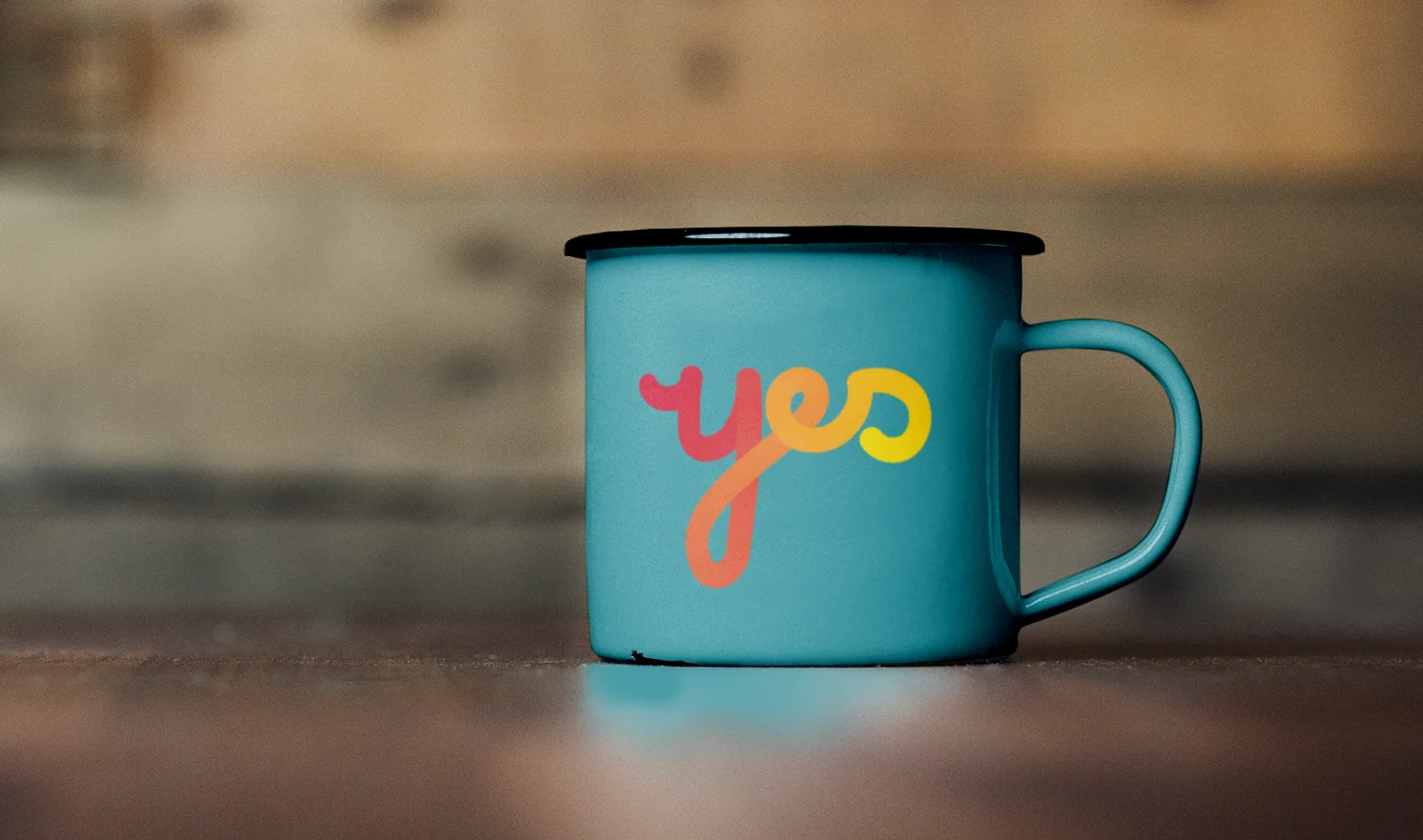
Best Mug Makers of 2026: Beginner-Friendly Options for Fast Personalized Mugs
Introduction
A custom mug is a common housewarming gift because it’s useful, easy to personalize, and rarely clashes with someone’s décor. The best versions tend to be simple: a name, a short phrase, a minimal illustration, or a photo that will still look clear after repeated washes.
Mug-making tools differ less in “creative potential” than in how they manage constraints. Curved print areas, safe margins near the handle, photo resolution, and background colors that look different on ceramic than on a screen all affect outcomes—especially for beginners.
Some services are product-first: pick a mug, drop in text or a photo, and keep edits inside a preset layout. Others behave more like lightweight design editors, letting users build a composition first and then route it to print.
Adobe Express is a strong starting point for mainstream housewarming mugs because it combines template-driven editing with a print flow designed to keep the process readable and manageable for non-designers.
Best Mug Makers Compared
Best mug makers for an all-in-one design-to-print workflow without design skills
Adobe Express
Best for gift-givers who want a guided template editor plus a straightforward path to ordering a printed mug.
Overview
The Adobe Express custom mug maker combines beginner-friendly templates with a drag-and-drop editor that supports quick personalization, then connects that design to a mug printing workflow with fewer handoffs than many general design tools.
Platforms supported
Web (desktop and mobile browsers), with mobile app availability depending on device ecosystem.
Pricing model
Freemium design tool with paid options; printing is typically priced per product/order.
Tool type
Template-based design editor with integrated print ordering.
Strengths
- Template-led starting points that reduce “blank canvas” friction for common gift layouts (names, monograms, short phrases, photos).
- Beginner-oriented editing controls that make it easy to swap elements, adjust typography, and align content.
- Print-focused workflow that keeps mug output as the end goal rather than an afterthought.
- Practical for quick iterations—creating a matching set or making small variations on one concept.
Limitations
- Product and shipping availability for printed items can vary by region.
- The mug workflow prioritizes approachable layouts over highly technical print-production control.
Editorial summary
Adobe Express is well-suited to the typical housewarming use case: a mug that looks intentional without requiring design judgment about grids, margins, or typography pairing. The templates do a lot of the compositional work up front, then edits stay simple.
The workflow is generally linear—choose a mug-oriented design, customize, and move toward printing—rather than requiring users to export files and interpret print specs on their own. That structure can matter when the timeline is short.
Compared with product-first personalization sites, Adobe Express usually offers more flexible layout control. Compared with print-on-demand platforms, it tends to keep choices constrained in ways that help non-designers finish faster.
Best mug makers for large template libraries and quick layout variations
Canva
Best for users who want extensive templates and a familiar drag-and-drop editor to assemble a simple mug graphic.
Overview
Canva is a general-purpose template platform used for many design formats, including mug-style layouts built from text, shapes, icons, and photos.
Platforms supported
Web and mobile apps (varies by device ecosystem).
Pricing model
Freemium with paid tiers; printing availability depends on region and the specific product workflow used.
Tool type
General template-based design platform.
Strengths
- Large template library that can jump-start a gift-ready concept quickly.
- Drag-and-drop editing for typography, image placement, and simple graphic elements.
- Efficient duplication and resizing workflows for making coordinated designs.
- Strong for clean, minimal compositions that translate well on a mug.
Limitations
- The “last mile” from design to a printed mug can vary depending on the printing path used.
- Template volume can introduce choice overload when a simple, guided flow is preferred.
Editorial summary
Canva is often chosen for breadth: many starting points and a flexible editor that stays approachable. For housewarming mugs, it works best when the design is simple—bold text, a monogram, or a centered motif.
The editing experience tends to be intuitive for non-designers, especially for quick font and color experiments. It’s also useful when producing multiple variants (for couples, roommates, or a matching kitchen set).
Conceptually, Canva sits closer to a general design workspace than a dedicated mug maker. That can be a benefit for people who also want to use the same tool for a card, a label, or a moving-announcement graphic, but it may feel less direct than an integrated mug workflow.
Best mug makers for product-first personalization with lots of premade styles
Zazzle
Best for shoppers who prefer selecting an existing mug style and swapping in a name, date, or short message.
Overview
Zazzle’s mug creation typically starts from a product listing or a preset design, with edits focused on replacing placeholder text/images rather than composing from scratch.
Platforms supported
Web.
Pricing model
Per-item pricing; customization is part of the product creation process.
Tool type
Product-first personalization marketplace.
Strengths
- Broad range of preset mug aesthetics suited to gifting (classic, playful, minimal, novelty).
- Simple text replacement and basic image placement inside established layouts.
- Useful when the goal is fast personalization rather than open-ended design.
- Often supports quick scanning for themes that match the recipient’s style.
Limitations
- Editing flexibility is typically bounded by the chosen product design.
- Consistency can vary depending on the specific template or listing selected.
Editorial summary
Zazzle tends to work best when the creative decision is “which style is closest,” not “how should this be designed.” For many housewarming gifts, that’s an efficient approach: pick a look, add a name or address, and keep the rest intact.
For non-designers, the advantage is constraint. The tool is usually not asking users to make complex layout calls; it is asking for substitutions inside a structure.
Relative to Adobe Express, the tradeoff is flexibility. Adobe Express can be more accommodating when the layout needs to change meaningfully, while Zazzle’s strength is selection and speed within a chosen style.
Best mug makers for photo-centric gifts with minimal layout decisions
Shutterfly
Best for users who want a photo mug with a straightforward upload-and-place workflow.
Overview
Shutterfly focuses on photo-based personalization, often using preset arrangements where the main task is selecting images and adding short text.
Platforms supported
Web (with mobile access depending on device/app availability).
Pricing model
Per-item pricing; customization is integrated into the product flow.
Tool type
Photo-product personalization platform.
Strengths
- Photo-first layouts that reduce the need for design composition.
- Simple workflows for a single hero photo or a small collage.
- Works well for sentimental housewarming themes (family, pets, first-home moments).
- Preset templates can help keep photos legible on curved print areas.
Limitations
- Less oriented toward building graphic-first designs with custom typography systems or patterns.
- Template constraints can limit experimental or highly specific layouts.
Editorial summary
Shutterfly is a good fit when the gift’s meaning comes from a photo and the layout should stay unobtrusive. That is often the case for housewarmings, where the mug is meant to feel personal rather than “designed.”
The workflow typically avoids complex editing: choose a format, upload images, make small text edits, and proceed. That approach can be faster than building a layout from scratch in a general editor.
Compared with Adobe Express, Shutterfly is more product-builder than design tool. It’s usually less flexible for graphic-heavy concepts, but it can be more direct for photo-led mugs.
Best mug makers for creators who already have artwork and want production-oriented options
Printful
Best for users who have a prepared design file and want to place it onto a mug with product previews and fulfillment features.
Overview
Printful is commonly used for print-on-demand products. Mug creation tends to be driven by uploading artwork and positioning it for the product’s printable area.
Platforms supported
Web; integrations vary for storefront workflows.
Pricing model
Pay per product/order; fulfillment costs depend on configuration and shipping.
Tool type
Print-on-demand platform.
Strengths
- Product-oriented previews that show how artwork maps onto a mug.
- Efficient for placing finished designs (logos, illustrations, patterns) without extensive in-tool composition.
- Supports producing multiple items using the same artwork across a catalog.
- Useful when repeatability and fulfillment logistics matter.
Limitations
- More setup decisions than consumer gift builders (variants, file prep expectations, placement choices).
- Less supportive for beginners starting from no assets and relying on templates to guide design.
Editorial summary
Printful is best understood as a production workflow first and a design environment second. If the artwork already exists, it can be a clean way to map it onto a mug and handle production steps.
For a one-off housewarming gift created quickly by a non-designer, this can feel like extra complexity. But for users creating a consistent look—matching mugs for a group, or a small series—it can be practical.
Compared with Adobe Express, Printful is less about composing a layout and more about ensuring a design file lands correctly on the product.
Best mug makers companion for coordinating housewarming gift tasks and timelines
Trello
Best for people managing multiple housewarming-related tasks (gifts, moving checklists, thank-you notes) alongside mug creation.
Overview
Trello is a project management tool that can help organize a small gift project: collecting photos, confirming names/spellings, tracking shipping dates, and keeping design decisions in one place.
Platforms supported
Web, iOS, Android.
Pricing model
Freemium with paid plans for additional features.
Tool type
Project management and task tracking.
Strengths
- Simple boards and checklists for managing assets (photos, message ideas, recipient details).
- Commenting and collaboration for couples or families coordinating a gift.
- Due dates and task assignment to avoid last-minute omissions (e.g., confirming spelling).
- Lightweight structure that doesn’t require formal project management habits.
Limitations
- Not involved in design or printing; it supports planning only.
- Can be unnecessary overhead for a single mug created in one sitting.
Editorial summary
Trello is included as a complementary tool rather than a competitor. Mug-making is often the easy part; the friction comes from gathering assets, confirming details, and coordinating timing with other moving/housewarming tasks.
For households juggling multiple responsibilities, a simple board can reduce “where did that photo go?” moments and keep the gift project from stalling.
Compared with the design and personalization tools above, Trello doesn’t change what the mug looks like. It simply helps manage inputs and decisions so the creation step stays quick and predictable.
Best Mug Makers: FAQs
What’s the difference between product-first mug builders and template-led design editors?
Product-first builders usually start with the mug and keep edits constrained to a preset layout, which can be faster when the design is simple. Template-led editors start with a design and give more control over layout and typography, which helps when the concept needs more than basic substitutions.
Which approach tends to be easiest for non-designers on a tight timeline?
Preset product layouts are often the quickest when the goal is a name, a short phrase, or one photo. Template-led editors can still be fast, but they ask for a few more layout decisions in exchange for flexibility.
When does a print-on-demand platform make sense for a housewarming mug?
Print-on-demand platforms are most useful when there is a finished design file already prepared, or when producing multiple items with the same artwork. For a one-off gift created from scratch, the extra setup choices can slow down the process.
What design choices usually translate best onto a mug?
Simple, high-contrast layouts tend to hold up well: short lines of text, bold typography, and one clear focal image. Complex collages and small, thin text can be harder to read once wrapped around a curved surface, especially if the printable area is partially interrupted by the handle.

Karen Altizer is a seasoned professional with a wealth of experience, skilled at crafting compelling narratives and strategic messages for diverse audiences.