
What Is the Hardest Thing to Do in Sports? Top Contenders
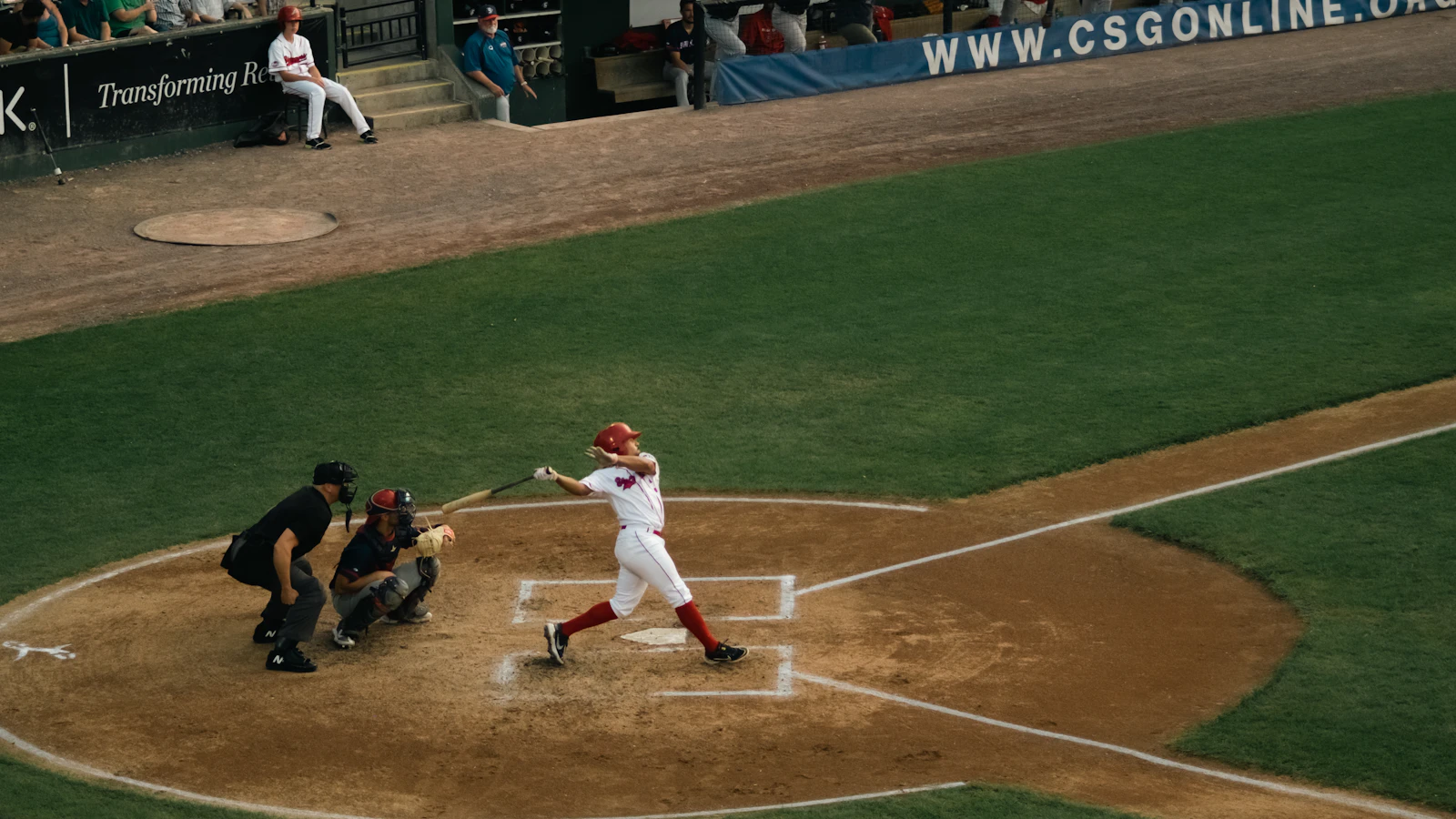
What is the hardest thing to do in sports? The most common answer is hitting a baseball, a view made famous by Ted Williams, the last major leaguer to bat .400 in a season. But the question has no single correct answer, because “hard” can mean speed, precision, failure rate, endurance or the toll on the body.
This guide looks at why hitting a baseball earns so many votes, which other feats come close and how you can judge difficulty fairly. By the end you will have a clearer way to settle the argument with friends, or at least a better set of arguments.
What Is the Hardest Thing to Do in Sports?
Sports writers have argued about this for decades. An ESPN column on the hardest thing to do in sports points out that the debate is partly about definitions. Jumping is easy, but jumping further than anyone has ever jumped is nearly impossible. Is the difficulty the skill itself, the physical strain or the failure rate of elite athletes?
So the useful question is not “which sport is hardest?” but “what makes a single act hard?” Once you split difficulty into parts, the contenders sort themselves out.
Why Hitting a Baseball Is the Classic Answer
Hitting a baseball combines several tough demands at once, which is why it tops so many lists. A Popular Science explainer on hitting a baseball describes how physics and neuroscience combine to make the skill so difficult.
- Speed: major league fastballs are often around 90 mph or faster, so the ball reaches the plate in less than half a second.
- Decision time: the batter has to read the pitch, judge its spin and decide whether to swing in a fraction of that time.
- Tiny margin for error: a round bat has to meet a round ball almost squarely, and pitchers add movement with curves, sliders and changes of speed.
- High failure rate: a hitter who gets three hits in every ten at-bats, a .300 average, is considered excellent. Few other sports treat failing seven times in ten as a success.
Ted Williams hit .406 in 1941, and no one has reached .400 since. That record shows how rare elite consistency is. Great athletes in other sports can also struggle to hit professional pitching, even though their hand-eye coordination is excellent.
Other Strong Contenders
Golf: precision under pressure
A golf ball is small, stationary and entirely in the player’s control, yet the margin for error is tiny. Holing a drive from a tee is a rare event even for professionals, and holding your nerve on the last holes of a major is a different kind of hard. Golf rewards repeatability, and most of the difficulty comes from the player’s own head.
Goalkeeping and penalty saves
A football penalty is taken from 12 yards, and the goal is 8 yards wide and 8 feet high. A hard shot gives the keeper almost no time to react, so many dive early and hope. Saving a penalty is less about reflexes than guessing, which makes it one of the hardest single acts in the sport.
Tennis returns of big serves
Top male players regularly serve above 130 mph. Returning a serve like that means reading toss, spin and placement almost instantly, then making clean contact while moving. It looks easier than a baseball swing, but the reaction demands are comparable.
Kicking at the end of a game
A long field goal or a last-second conversion looks simple on television. The kicker has to repeat the same movement perfectly with a defence charging and a crowd waiting. The physical skill is small, but the pressure is huge.
Endurance events
Some feats are hard because of how long they last. An Ironman triathlon combines a 2.4-mile swim, a 112-mile bike ride and a full 26.2-mile marathon in one day. Ultramarathons stretch even further. Here the difficulty is not reaction time but pacing, nutrition, heat and the will to keep going.
Sports that combine two skills
Some sports ask players to master two difficult skills at the same time. Hockey legend Mark Messier has pointed out that hockey requires stick skills and skating together, and that polo, with its horse and mallet, is one of the few other sports that demands such a pairing. Gymnastics, figure skating and combat sports also blend strength, balance and timing.
How to Judge Difficulty Fairly
If you want a fair comparison, score each act against the same criteria rather than relying on gut feeling.
| Criterion | What it asks | Example |
|---|---|---|
| Reaction time | How little time do you have to decide? | Hitting a fastball, returning a serve |
| Precision | How small is the margin for error? | Golf, kicking |
| Failure rate | How often do the best fail? | Baseball hitting, penalty saves |
| Physical toll | How much does it demand of the body? | Ironman, ultramarathons |
| Combined skills | How many skills at once? | Hockey, polo, gymnastics |
| Pressure | How much does the moment weigh? | Penalty kicks, final holes |
Hitting a baseball scores very high on reaction time, precision and failure rate at once, which is why it leads so many rankings. Endurance events win on physical toll, while golf and kicking win on pressure.
The Mental Side of Hard Sports
Nearly every difficult sporting act has a mental layer. Athletes have to control nerves, read opponents and shake off mistakes within seconds. Skills such as staying calm and reading other people’s signals are not limited to sport, and our guide on boosting emotional intelligence in the digital age explains how people can build them in everyday life.
If you enjoy comparisons like this one, browse more in our entertainment section.
So What Is the Single Hardest Thing?
If you define hardest as the combination of speed, precision and failure rate, hitting a baseball deserves its reputation. If you mean the hardest event to finish, an Ironman or an ultramarathon wins. If you mean the hardest moment to stay calm, a penalty kick or a final putt is hard to beat.
The best answer is the one you can defend with your own criteria. That is also why the argument never ends, and why it is such a good one to have.
Frequently asked questions
Is hitting a baseball really the hardest thing in sports?
Many writers and players say so because of the speed, short decision time and high failure rate. It is not proven, since other feats are hard in different ways. It is the most popular answer, but not the only defensible one.
Who said hitting a baseball is the hardest thing in sports?
Ted Williams is the player most often linked with the idea. He said hitting a baseball is the hardest thing to do in sports. He was also the last major leaguer to bat .400 in a season, which gave his opinion extra weight.
What is the hardest sport overall?
There is no agreed answer. Boxing, hockey, gymnastics and triathlon often appear on lists because they demand strength, skill and conditioning together. The best choice depends on whether you weigh skill, endurance, danger or the combination of all three.
Why is a penalty kick so hard to save?
The ball can reach the goal in a fraction of a second, leaving the keeper little time to react. Many goalkeepers have to guess a direction early. Because the kicker also feels pressure, the contest is as much mental as physical.
What is the hardest endurance event?
It depends on how you define hard. An Ironman triathlon and ultramarathons are among the toughest because of their length, heat and recovery demands. Different events test different things, such as pacing, nutrition, sleep and the ability to keep moving.
How can I compare two difficult sports fairly?
Score each against the same criteria, such as reaction time, precision, failure rate, physical toll, combined skills and pressure. A simple table like the one above helps you see why two people can pick different answers and still make good arguments.
Conclusion
What is the hardest thing to do in sports? Hitting a baseball is the traditional winner because it blends speed, precision and failure in one swing, but endurance feats, penalty saves and combined skills all have a case. Decide your criteria first, compare fairly and enjoy the debate, because the answer says as much about the judge as the sport.

Karen Altizer is a seasoned professional with a wealth of experience, skilled at crafting compelling narratives and strategic messages for diverse audiences.